
Blog Post
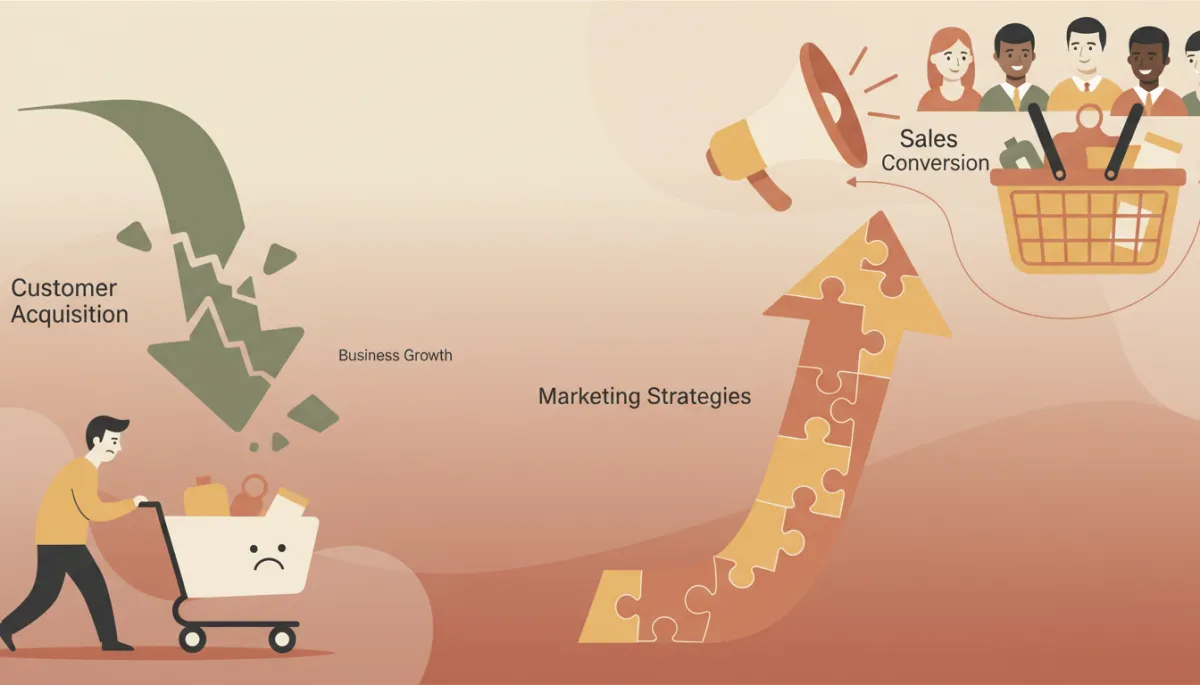
Boost Customer Acquisition Fast:
Business Growth, Customer Acquisition, Marketing Strategies
Why Your Business Isn’t Getting Customers (And How to Fix It Fast)
Somewhere between your big idea and your bank account, the customers went missing. Let’s walk through why that’s happening—and how you can turn it around faster than you think.
The Day Maya Realized “Build It and They Will Come” Was a Lie
Maya had done everything “right,” or so she thought. She left her job, poured her savings into a cozy studio, designed a beautiful logo, and launched her handmade home décor brand online. Her friends cheered, her family shared her posts, and on day one she hit publish on her website with a racing heart.
Then… silence. A few likes. One pity purchase from her cousin in another city. Days turned into weeks. Her business growth looked less like a curve and more like a flat line. She refreshed her inbox so often it became a reflex. Still no orders. No inquiries. No real customer acquisition to speak of—just hope slowly leaking out of her like air from a balloon.
One evening, sitting alone in her quiet studio, Maya finally asked the question you might be asking yourself right now: “Why isn’t anyone buying?”
Problem #1: You’re Invisible to the People Who Need You
The harsh truth Maya discovered is the same one many owners face: great products don’t automatically attract customers. Visibility does. And visibility is not an accident—it’s a system. That system starts with understanding your target audience so clearly that you could pick them out of a crowded café just by listening to their conversations.
At first, Maya’s answer to “Who is this for?” was, “Anyone who loves beautiful homes.” That sounded nice, but it was deadly vague. “Anyone” actually meant “no one in particular,” and her marketing strategies reflected that. Generic posts, broad hashtags, and a website that talked more about her passion than her customer’s problems.
💡 Pro Tip: If you can’t describe your target customer in one vivid sentence, you’re not ready to scale customer acquisition.
The fast fix? Maya sat down and rewrote her audience from “anyone” to: “Busy women in their 30s who rent apartments and want their space to feel warm and personal without spending designer money.” Now her lead generation efforts had a face, a life, and a story.
Problem #2: You’re Talking About Yourself, Not Their Story
Once Maya knew who she was talking to, she realized something painful: her website read like a diary entry. “I’ve always loved handmade décor… I believe in quality… I started this business because…” It was heartfelt, but her visitors weren’t looking for her origin story. They were looking for their story—a solution to bare walls, impersonal rentals, and homes that didn’t feel like them.
Effective marketing strategies flip the script. Instead of, “Here’s what I sell,” they say, “Here’s how your life changes after you buy.” Maya rewrote her homepage to open with a scene: coming home after a long day, dropping your keys, and feeling instantly calmer because your space finally reflects you. Her products became supporting characters in her customer’s story, not the main event.
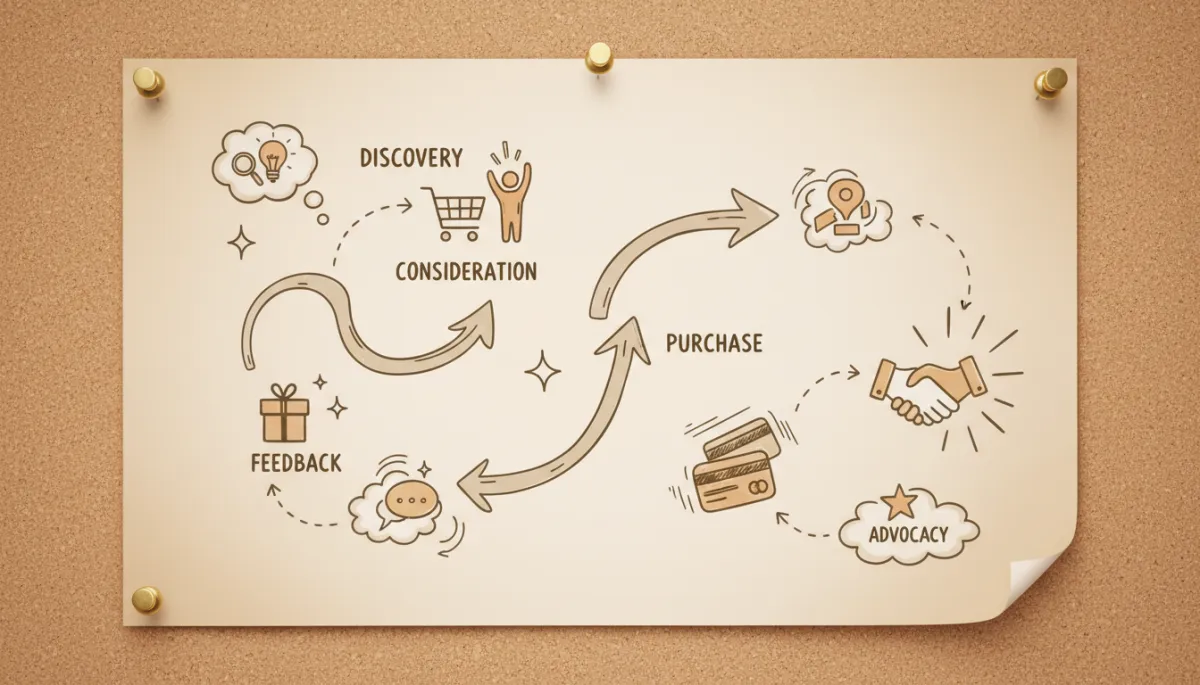
When you map the customer journey, lead generation and sales conversion become intentional, not accidental.
Problem #3: You Don’t Have a Lead Generation Engine—Just Random Posts
Before things changed, Maya’s approach to lead generation looked like this: wake up, feel guilty for not posting, throw a product photo on Instagram, add a few hashtags, and hope. No plan. No rhythm. No path from stranger to subscriber to buyer. Just digital confetti tossed into the void.
To fix it fast, she built a simple lead engine instead of random acts of marketing. Here’s what she did over one focused weekend:
Created a free “Small Space Styling Guide” as a downloadable PDF—valuable enough that her ideal target audience would happily trade an email address for it.
Added a clear sign-up form on her homepage and product pages, offering the guide plus a first-order discount.
Wrote a short welcome email sequence that told her brand story, showed before-and-after room photos, and gently introduced her bestsellers.
Suddenly, she wasn’t just chasing likes. She was building a list of people who had raised their hands and said, “I care about this.” That’s the heart of sustainable customer acquisition—not viral moments, but consistent, predictable lead generation.
📌 Key Takeaway: If you don’t have a way to capture interest today and follow up tomorrow, you’re leaking future revenue.
Problem #4: You’re Getting Attention, But Not Sales Conversion
Maybe your situation is different. Maybe people are visiting your site. They’re clicking your ads, browsing your products, even adding items to their cart—but then they vanish. That’s not a visibility problem. That’s a sales conversion problem, and it’s just as fixable when you know where to look.
When Maya finally checked her analytics, she saw a pattern: lots of people reached the checkout page, then dropped off. So she walked through her own buying process like a stranger. It took five clicks to complete a purchase. Shipping costs were a surprise at the last step. Her product descriptions were pretty, but didn’t answer simple questions like size, materials, or care instructions. In short, she was asking people to make a decision without enough clarity or trust.
She simplified checkout, reducing the number of steps.
She added transparent shipping info right on product pages.
She rewrote product descriptions to answer “Will this work for me?” in plain language.
Within weeks, the same traffic started producing more orders. She hadn’t doubled her visitors; she had improved her sales conversion—the quiet lever behind real business growth.
Problem #5: Your Marketing Strategies Are Short-Term, But Growth Is Not
In a moment of panic, Maya almost did what many owners do: slash prices, run a desperate sale, and hope a flood of bargain hunters saved her month. The problem? Discounts can spike sales today but starve your margins tomorrow. Real business growth comes from strategies that stack over time, not quick fixes that train your audience to wait for promotions.
Instead, she committed to three simple, long-game moves:
Publishing one helpful piece of content each week—styling tips, renter hacks, small-space transformations—that her target audience actually searched for.
Showing up consistently on one social platform instead of scattering effort across five.
Nurturing her email list with stories, not just sales—inviting customers into the evolution of her brand.
These aren’t flashy moves, but they compound. Each article brought in new visitors. Each email turned casual browsers into loyal fans. Her customer acquisition cost dropped as word-of-mouth kicked in. That’s the quiet magic of aligned marketing strategies.
Turning the Story Around: Your 7-Day Fix-It Plan
By now, you’ve probably spotted yourself in pieces of Maya’s journey. The good news is, you don’t need a rebrand or a miracle. You need a focused week where you stop guessing and start adjusting. Here’s a simple storytelling-style plan you can follow over the next seven days:
Day 1 – Name Your Hero: Write a one-paragraph description of your ideal customer. Give them a name, a job, a living situation, and a main frustration. This becomes the anchor for all your marketing strategies.
Day 2 – Rewrite Your Homepage: Open with your hero’s story, not your résumé. Show them the “before” and “after” of using your product or service.
Day 3 – Build a Lead Magnet: Create one simple, valuable resource—a checklist, guide, or mini-class—that speaks directly to your hero’s main problem. This fuels your lead generation.
Day 4 – Install the Capture Points: Add email sign-up forms in obvious places: homepage, blog posts, and checkout. Make the benefit of joining crystal clear.
Day 5 – Walk Your Own Funnel: Pretend you’re a stranger. Click through your ads or posts, visit your site, and try to buy. Anywhere you feel confused or hesitant, fix it. This is where you boost sales conversion.
Day 6 – Choose Your Channel: Pick one primary platform where your target audience actually hangs out. Commit to showing up there with consistent, story-driven content for the next 90 days.
Day 7 – Measure and Adjust: Look at three numbers only: traffic, leads, and sales. Your business growth story is written in these metrics. Adjust one thing at a time and watch what changes.
Your Business Isn’t Broken—It Just Needs a Better Story
Months after that lonely evening in her studio, Maya’s days look different. Orders ping her phone while she’s packing boxes. Customers send photos of their transformed spaces. Her inbox is no longer a desert but a steady stream of questions, reviews, and repeat buyers. The shift didn’t come from magic. It came from clarity—about her target audience, her message, her lead generation engine, and her sales conversion path.
If your business isn’t getting customers right now, it’s not a verdict on your worth or your idea. It’s simply a signal that your story, your systems, or your strategy needs tuning. You can start that rewrite today. Define who you’re really for. Speak to their world, not just your own. Build simple paths that turn strangers into leads and leads into loyal buyers. That’s how customer acquisition stops feeling like a mystery and starts feeling like a craft you can master.
💬 Final Thought: Every thriving brand you admire once stood where you’re standing—wondering where the customers were. The difference is, they kept rewriting the story until the right people saw themselves in it. Now it’s your turn.


COMPANY
CUSTOMER CARE
LEGAL
FOLLOW US


Copyright 2026. Ukuthula Sales Solutions. All Rights Reserved.
Design and Build By Ukuthula Sales Soloutions